Erectile Dysfunction • PDE5 Inhibitor

Vardenafil Alcohol Interaction: Effect, Timing & Safety

This page focuses on vardenafil alcohol interaction — how drinking can influence the perceived effect, timing, and overall experience of vardenafil. Many informational sources mention that alcohol may shift onset, reduce perceived strength, or change the effect window, which is why users often search for vardenafil with alcohol, vardenafil drinking interaction, and vardenafil alcohol safety.

If you want deeper context, explore timing in Vardenafil Timing, onset patterns in Onset, effect window in Duration, food interaction in Food, troubleshooting in Not Working, common mistakes in Mistakes, and age‑related differences in Older Men.

How Alcohol Affects Vardenafil
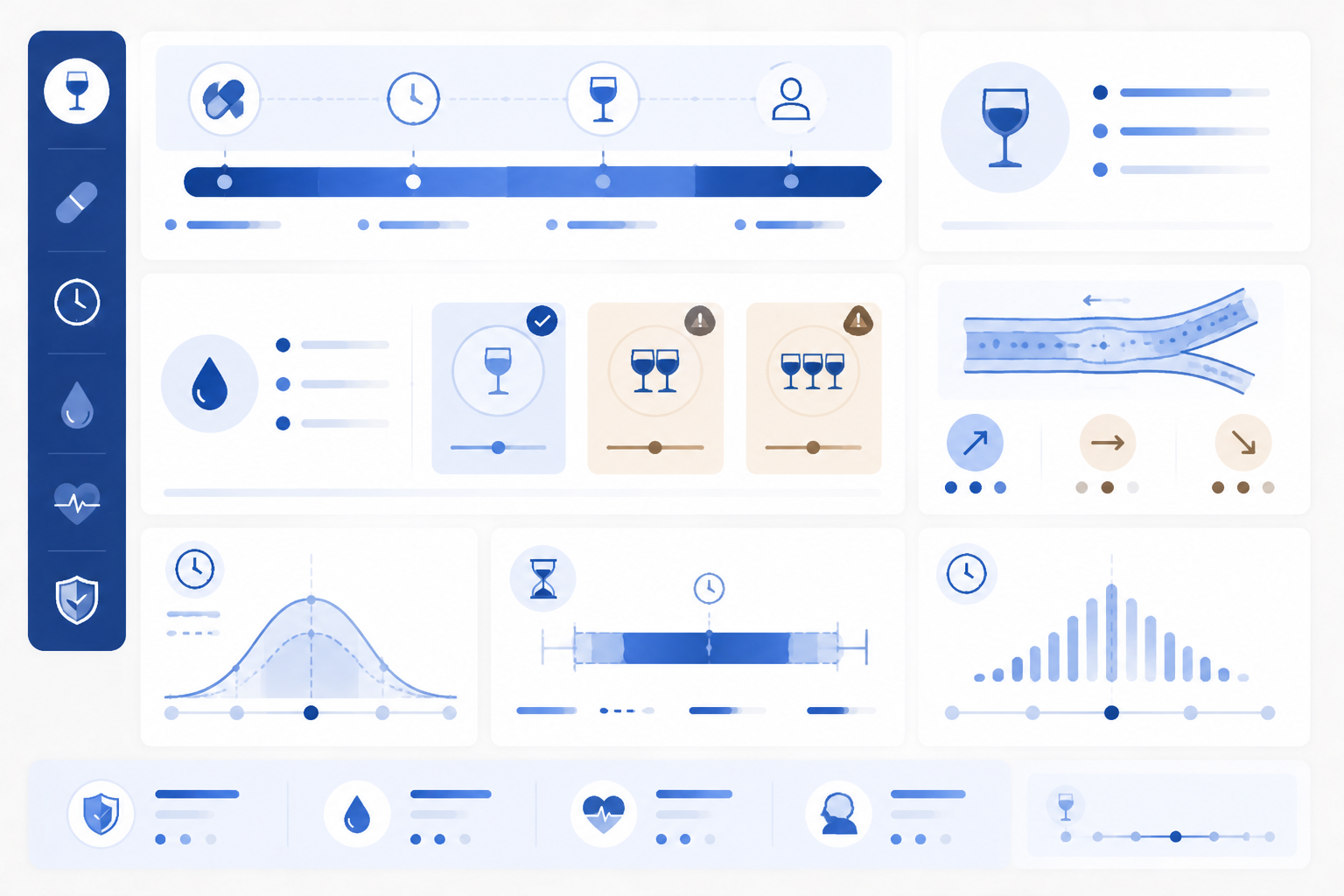
Vardenafil and Alcohol

Alcohol can noticeably influence how users perceive the effect of vardenafil, especially when drinking moves beyond light consumption. While the pharmacological action of vardenafil remains intact, alcohol may reduce the subjective intensity of the response, shift the expected onset, and alter the overall timing window. These changes are frequently mentioned in informational sources because many users combine vardenafil with social drinking, making real‑world variability a common topic.

Light drinking typically causes only a mild reduction in perceived effect, though individual variability is high. Moderate drinking is more likely to produce noticeable changes, including delayed onset and a softer response curve. Heavy drinking has the strongest impact, often reducing perceived efficacy and shortening the expected duration. These patterns align with broader interaction factors such as food intake (Food) and common user mistakes (Mistakes), which together shape real‑world outcomes.

Informational sources also highlight that alcohol‑related variability becomes more pronounced when drinking habits are inconsistent — different amounts, different timing, or combining alcohol with heavy meals. Users often report that maintaining predictable routines (lighter meals, spacing alcohol away from dosing, avoiding rapid consumption) helps stabilize onset and reduce fluctuations in perceived intensity. These practical adjustments are frequently mentioned in real‑world guidance and complement broader interaction topics such as Timing and Onset.

Alcohol Level Impact on Effect General Notes
Light drinking Mild reduction Perception varies
Moderate drinking Noticeable reduction Onset may shift
Heavy drinking Strong reduction Common informational note

Understanding these patterns helps users anticipate changes in timing (Timing) and troubleshoot inconsistent results (Not Working). Age‑related differences also matter, with distinct patterns commonly described for younger users compared with Older Men.

Alcohol and Onset

Alcohol can meaningfully influence the onset of vardenafil, primarily by altering how quickly the medication is absorbed and how the user perceives the initial effect. Even though vardenafil’s pharmacological mechanism remains stable, drinking may shift the expected onset window, making the response feel slower or less distinct. Light drinking usually produces only a mild delay, but moderate and heavy drinking often create more noticeable changes that users interpret as weaker or inconsistent onset. These patterns are frequently mentioned in informational sources because onset expectations are a core part of real‑world vardenafil use.

Metabolic factors also play a role. Alcohol can temporarily affect gastric emptying and hepatic processing, which may slow absorption and extend the time before the effect becomes noticeable. Meal timing adds another layer: drinking alongside or after a heavy meal can compound delays, a topic explored in more detail on the Food interaction page. For a deeper breakdown of onset patterns, see the dedicated Onset section.

Scenario Typical Onset Change Notes
Light drinking Mild delay Perception varies
Moderate drinking Moderate delay Common informational pattern
Heavy drinking Strong delay Absorption may slow

Alcohol and Duration

Alcohol can also influence the perceived duration of vardenafil, although this effect is distinct from onset. Duration refers to how long the user experiences the therapeutic window, and alcohol may shorten this period by reducing subjective intensity or interrupting the natural progression of the effect. Informational sources often highlight that drinking before intake, during the effect window, or after onset can each produce different patterns, making duration variability a common real‑world observation.

Drinking before intake tends to create the strongest reduction in perceived duration because both absorption and onset may shift. Drinking during the effect window often leads to moderate reduction, as alcohol can blunt vascular responsiveness. Drinking after onset usually has the least impact, though some users still report mild shortening of the effect window. These distinctions reinforce that duration is not the same as onset, and both are shaped by timing, metabolism, and interaction factors discussed in Timing and Food.

Scenario Impact on Duration General Notes
Alcohol before intake Reduced perceived duration Onset may shift
Alcohol during effect Moderate reduction Perception varies
Alcohol after onset Mild reduction Less impact

Drinking Interaction Mistakes

Several common mistakes appear repeatedly in informational sources discussing vardenafil and alcohol. Heavy drinking is the most frequent issue, as users often underestimate how strongly alcohol can reduce perceived effect, shift onset, and shorten duration. This misjudgment leads to inconsistent results and the impression that vardenafil is “not working,” a topic explored in detail on the Not Working page.

Another widespread mistake is ignoring timing. Many users take vardenafil shortly after drinking, not realizing that alcohol can delay onset and soften the response curve. When combined with meal timing—especially fatty meals—the interaction becomes more pronounced. Alcohol and high‑fat food both slow absorption, creating overlapping delays that significantly alter the expected effect window. These patterns explain why drinking interaction issues are so commonly reported and why timing guidance remains essential across real‑world use cases.

Mistake Common Cause General Informational Note
Heavy drinking Misjudged interaction Effect may weaken
Ignoring timing Underestimating alcohol impact Onset may shift
Alcohol + fatty meal Overlapping delays Absorption slows

Frequently Asked Questions

Many informational sources note that alcohol can soften the perceived effect of vardenafil, especially when drinking moves beyond light consumption. Users often describe a weaker response curve or less distinct intensity, even though the medication’s mechanism remains unchanged. This reduction is typically linked to timing shifts, absorption changes, and overall interaction factors.

Alcohol may delay onset by slowing absorption and altering how quickly the initial effect becomes noticeable. Moderate and heavy drinking are more commonly associated with meaningful delays, while light drinking tends to produce only mild shifts. Informational sources frequently mention onset variability when alcohol is involved, especially in real‑world use scenarios.

Drinking can shorten the perceived duration of vardenafil by reducing subjective intensity or interrupting the natural progression of the effect window. The impact varies depending on when alcohol is consumed—before intake, during the effect window, or after onset. These distinctions are widely discussed in informational sources covering real‑world interaction patterns.

Yes, light drinking is often mentioned because it represents a common real‑world scenario. Most sources describe its impact as mild, with only small shifts in onset or perceived intensity. Even so, variability is frequently noted, as individual responses differ based on metabolism, timing, and overall interaction factors.

Informational sources often highlight heavy drinking, ignoring timing, and combining alcohol with large or fatty meals as the most frequent mistakes. These patterns can shift onset, weaken perceived effect, or shorten duration. They appear repeatedly because many users underestimate how strongly alcohol influences real‑world vardenafil outcomes.

Combining alcohol with a fatty meal is commonly associated with noticeable shifts in the effect window. Both factors can slow absorption and delay onset, creating overlapping interaction effects. Users often report softer intensity or shorter perceived duration, making this combination a frequently mentioned real‑world scenario in informational sources.