Erectile Dysfunction • PDE5 Inhibitor

Sildenafil Alcohol Interaction: Safety, Timing & Real‑World Effects

This page explains how alcohol influences the perceived effect of sildenafil and why sildenafil alcohol, sildenafil with alcohol, and sildenafil drinking interaction are frequently discussed in informational sources. Drinking can shift onset, reduce perceived intensity, and change how predictable the effect feels. These patterns are commonly mentioned in general safety notes under the broader topic of sildenafil alcohol safety.

Learn how timing affects the interaction in Timing, explore onset changes in Onset, review effect duration in Duration, understand food‑related delays in Food Interaction, and see common drinking mistakes in Mistakes or troubleshooting steps in Not Working.

How Alcohol Affects Sildenafil
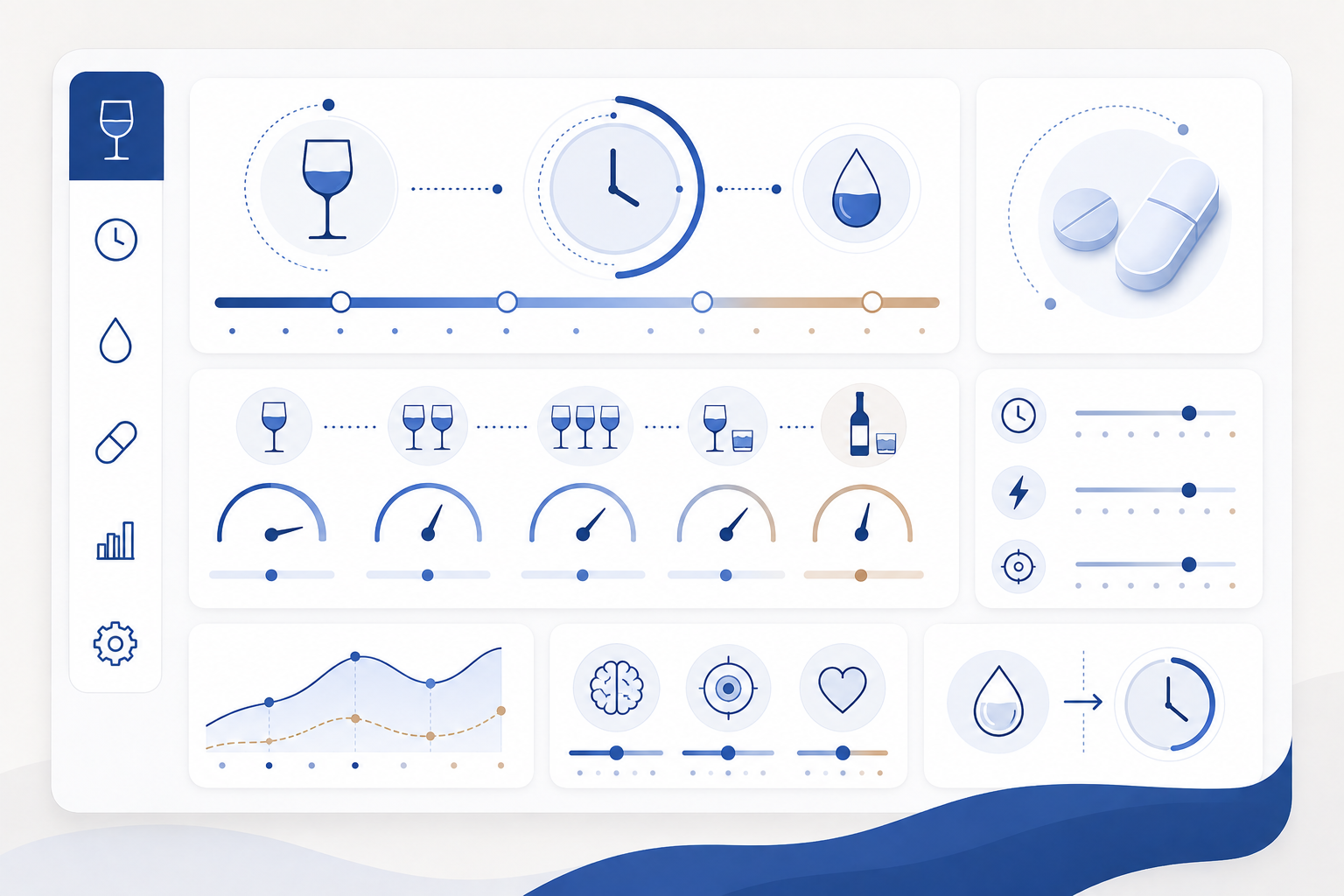
Sildenafil and Alcohol

Alcohol can noticeably influence how the effect of sildenafil is perceived, especially in relation to timing and onset. Informational sources frequently mention that drinking may shift the expected pharmacodynamic response, making the effect feel milder or less predictable. This happens because alcohol alters vascular tone and slows gastrointestinal processing, which can indirectly affect how quickly sildenafil begins to work. Users often compare these changes with typical timing patterns described in sections like Timing and onset‑related notes in Onset.

Light drinking usually produces only a mild reduction in perceived intensity, while moderate drinking can create a more noticeable shift in onset and overall effect. Heavy drinking is consistently referenced as a factor that strongly reduces sildenafil’s perceived benefit, often leading to delayed response and diminished reliability. These scenarios are commonly discussed alongside duration‑related expectations in Duration and practical interaction notes in Food Interaction.

Alcohol Level Impact on Effect General Notes
Light drinking Mild reduction Perception varies
Moderate drinking Noticeable reduction Onset may shift
Heavy drinking Strong reduction Common informational note

Alcohol and Onset

Alcohol can meaningfully influence sildenafil onset, primarily by slowing absorption and altering how the initial effect is perceived. Many informational sources note that drinking may shift the expected onset window, making the response feel slower or less distinct. This is especially relevant for users who compare their experience with typical onset patterns described in Onset. Alcohol’s impact is closely tied to metabolism and meal timing, since both factors determine how quickly sildenafil enters systemic circulation.

Light drinking often produces only a mild delay, while moderate drinking can create a more noticeable shift in onset. Heavy drinking is consistently associated with strong delays, largely due to slowed gastric emptying and reduced vascular responsiveness. These patterns frequently overlap with food‑ related timing considerations discussed in Food Interaction, where meal composition and timing can further compound alcohol‑related delays.

Scenario Typical Onset Change Notes
Light drinking Mild delay Perception varies
Moderate drinking Moderate delay Common informational pattern
Heavy drinking Strong delay Absorption may slow

Alcohol and Duration

Alcohol can also influence sildenafil duration, often reducing how long the effect feels noticeable. Importantly, duration is not the same as onset: even if onset is delayed, the perceived duration may shorten. Informational sources frequently mention that alcohol can weaken vascular responsiveness, making the effect window feel less stable. These changes are often compared with typical duration expectations described in general sildenafil guidance.

Early drinking—before intake—commonly reduces perceived duration because onset may shift and the effect may feel weaker. Drinking during the effect window can moderately reduce duration by altering perception and vascular tone. Drinking after onset usually has a milder impact, though some users still report slight reductions. These scenarios highlight how alcohol timing interacts with sildenafil’s pharmacodynamic window.

Scenario Impact on Duration General Notes
Alcohol before intake Reduced perceived duration Onset may shift
Alcohol during effect Moderate reduction Perception varies
Alcohol after onset Mild reduction Less impact

Drinking Interaction Mistakes

Many common mistakes related to alcohol and sildenafil stem from misjudging how drinking affects onset, duration, and perceived intensity. Informational sources frequently highlight that users often underestimate alcohol’s impact, especially when combining drinking with timing or meal‑related factors. These issues are discussed in more detail in Mistakes and troubleshooting guidance in Not Working.

Heavy drinking is one of the most frequent mistakes, typically caused by misjudging how strongly alcohol can weaken sildenafil’s perceived effect. Ignoring timing is another common issue: users may take sildenafil too soon or too late relative to drinking, leading to shifted onset and reduced reliability. Combining alcohol with a fatty meal creates overlapping delays, since both factors slow absorption and can significantly weaken the perceived response.

Mistake Common Cause General Informational Note
Heavy drinking Misjudged interaction Effect may weaken
Ignoring timing Underestimating alcohol impact Onset may shift
Combining with fatty meal Overlapping delays Absorption slows

Frequently Asked Questions

Informational sources often note that alcohol can reduce how strong sildenafil feels, mainly by altering vascular responsiveness and slowing absorption. The effect may seem weaker or less predictable, especially when drinking overlaps with typical onset or timing windows. Perception varies, but reduced intensity is a commonly mentioned pattern.

Many informational sources mention that alcohol can delay onset by slowing gastric emptying and altering how quickly the effect becomes noticeable. The delay may be mild with light drinking but more pronounced with moderate or heavy intake. Users often describe onset feeling slower or less distinct when alcohol is involved.

Drinking can shorten perceived duration by weakening vascular responsiveness and shifting the effect window. Early drinking often reduces duration more noticeably, while drinking during or after onset may create moderate or mild changes. Informational sources frequently highlight that duration can feel shorter even when onset is only slightly affected.

Light drinking is often referenced as producing only mild changes in onset or perceived intensity. Informational sources typically describe its impact as variable, with some users noticing slight delays and others reporting minimal difference. It is frequently contrasted with moderate and heavy drinking, which show more consistent interaction patterns.

Common mistakes include heavy drinking, misjudging timing, and combining alcohol with large or fatty meals. These patterns often lead to delayed onset, weaker perceived effect, or shorter duration. Informational sources frequently highlight these issues because they overlap with typical timing and absorption considerations.

Combining alcohol with a fatty meal is commonly mentioned as creating overlapping delays. Both factors can slow absorption, shift onset, and reduce perceived intensity. Informational sources often describe this combination as making the effect window feel less predictable and sometimes noticeably weaker compared with standard intake conditions.