Erectile Dysfunction • PDE5 Inhibitor

Sildenafil Onset: How Fast It Works & Key Variability Factors

This page explains sildenafil onset — how quickly the medication begins working, typical activation windows, and why individual onset can differ. Most men feel the first effects within a predictable range, but real‑world timing varies based on physiology, food intake, and common usage mistakes.

If you’re searching for sildenafil how fast works, how long to kick in, or detailed insights into onset variability, this guide provides a clear, practical overview. You can also explore related topics such as optimal Timing, expected Duration, food‑related delays in Food Interaction, alcohol effects in Alcohol, common Mistakes, and troubleshooting steps in Not Working.

What “Onset” Means for Sildenafil
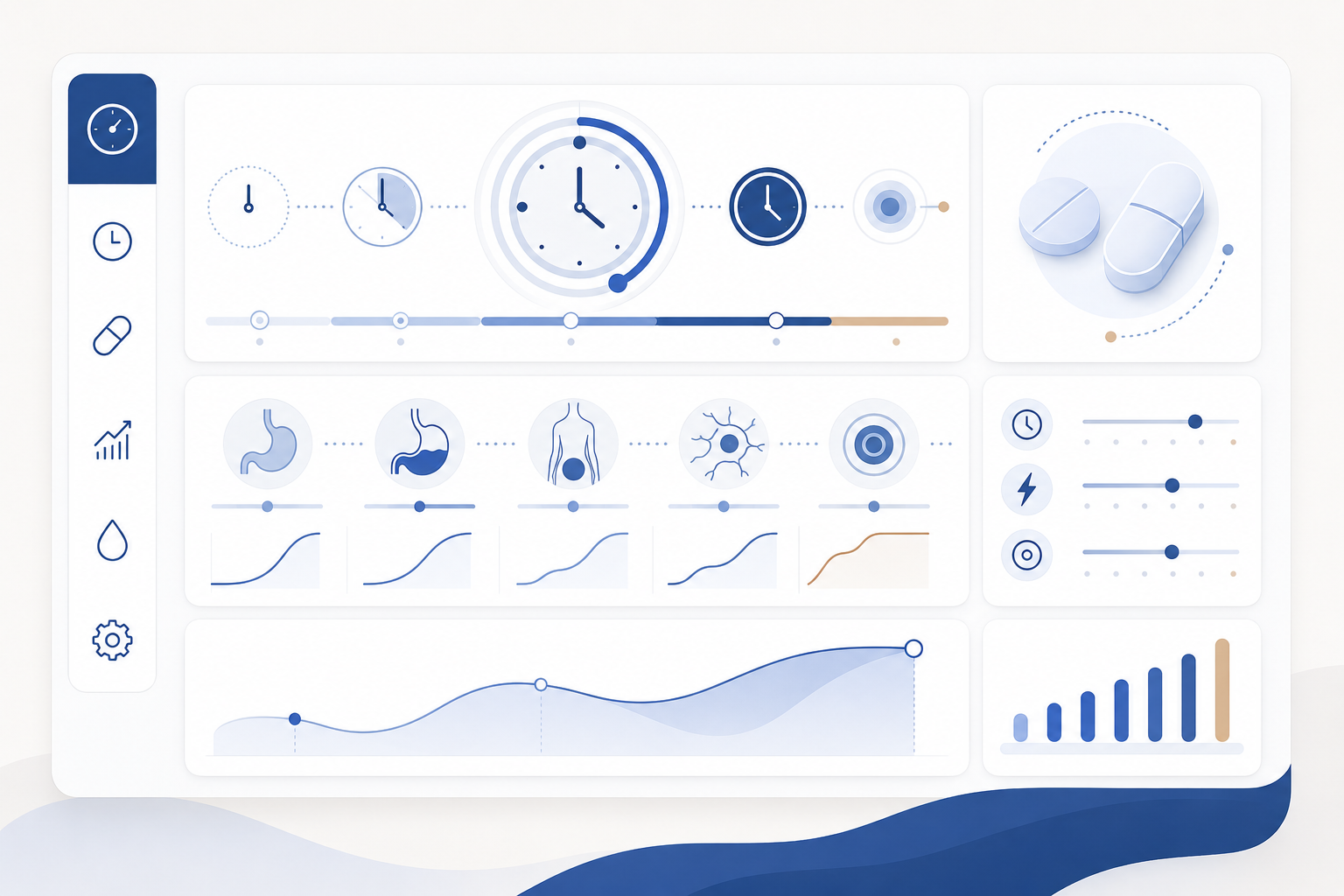
Sildenafil Onset

In the context of sildenafil, “onset” refers to the moment when the medication begins producing noticeable physiological effects — primarily improved erectile response through enhanced penile blood flow. Onset is one of the most important practical parameters because it shapes user expectations, determines when sexual activity can be planned, and influences perceived effectiveness. Many informational sources describe onset as a flexible window rather than a fixed number, emphasizing that sildenafil does not activate instantly but follows a predictable pharmacokinetic curve.

Most references cite onset ranges between 25 and 60 minutes, although some users report activation closer to the 90‑minute mark. These differences arise from multiple factors, including gastric emptying rate, concurrent food intake, alcohol consumption, metabolic variability, and common timing mistakes often discussed in guides such as Timing or troubleshooting pages like Not Working. Understanding these variables helps set realistic expectations and reduces misinterpretation of delayed onset as treatment failure.

Onset Category Typical Time General Notes
Fast Onset 25–35 minutes Empty stomach
Standard Onset 30–60 minutes Most users
Slow Onset 60–90 minutes Food, alcohol

How Fast Sildenafil Works

Sildenafil typically begins working within a well‑documented activation window, with most sources describing onset between 25 and 60 minutes. This range reflects how quickly the drug reaches effective plasma levels and begins enhancing erectile response. The process is not instantaneous: sildenafil requires absorption through the gastrointestinal tract, followed by sufficient vasodilatory signaling. Because of this, real‑world onset varies widely among users.

Food intake is one of the strongest modifiers of onset. An empty stomach often leads to faster absorption, while a standard meal introduces a moderate delay. High‑fat meals are consistently associated with slower onset, a topic explored in detail on the Food Interaction page. Alcohol can also extend onset by reducing vascular responsiveness, as explained in Alcohol. Metabolic rate, timing habits, and individual physiology further contribute to variability, making onset a flexible rather than fixed parameter.

Scenario Typical Onset Notes
Empty stomach 25–40 minutes Often faster
Standard meal 40–60 minutes Moderate delay
High‑fat meal 60–90 minutes Common informational delay

How Long It Takes to “Kick In”

The phrase “kick in” refers to the moment when sildenafil’s effects become subjectively noticeable, typically aligning with the point at which improved erectile response is felt. Although closely related to onset, “kick‑in time” emphasizes user perception rather than pharmacokinetic milestones. Most men report meaningful activation within 25 to 55 minutes, though some experience slower responses extending toward the 90‑minute mark.

Several factors shape this perception. Sexual stimulation is essential for sildenafil to work, and insufficient arousal can make kick‑in time feel longer. Metabolic rate influences how quickly the drug reaches peak concentration, while time of day may affect vascular responsiveness. It is also important to distinguish onset from duration: onset describes when the effect begins, whereas duration refers to how long the effect remains active — a topic covered separately on the Duration page.

Kick‑In Range Typical Time Influencing Factors
Fast 25–35 minutes Empty stomach
Standard 35–55 minutes Most users
Slow 55–90 minutes Food, alcohol

Onset Variability

Sildenafil onset can differ markedly between individuals, even when the same dose is used. This variability reflects a combination of pharmacokinetic and situational factors that influence how quickly the drug is absorbed, distributed, and perceived. While many users fall within a typical 25–60‑minute window, others experience slower or faster activation, leading to different expectations and interpretations of the effect.

Key contributors include food, alcohol, metabolism, time of day, and individual sensitivity. A high‑fat meal is frequently cited as a cause of slower onset, while alcohol can reduce perceived effect and make timing feel less predictable. Metabolic rate and liver function affect how quickly sildenafil reaches effective plasma levels, and circadian variations may subtly influence vascular responsiveness. Individual sensitivity to PDE5 inhibition also plays a role, meaning two people can experience very different onset profiles under similar conditions. Common usage patterns and troubleshooting strategies are discussed in detail on Mistakes and Not Working, which help users distinguish normal variability from true treatment problems.

Factor Effect on Onset General Notes
High‑fat meal Slower onset Common informational note
Alcohol Reduced perceived effect May shift onset
Metabolism Variable onset Individual differences

Onset Mistakes

Many onset‑related problems with sildenafil arise from common, predictable mistakes rather than true lack of efficacy. One of the most frequent issues is expecting instant onset, as if the medication should work within a few minutes. In reality, most informational sources describe a broad activation window, and failing to account for this can lead users to assume the drug is ineffective when it is simply still being absorbed.

Taking sildenafil immediately after a heavy or high‑fat meal is another widespread mistake, because food slows gastric emptying and delays absorption. Alcohol intake can further reduce perceived effect by impairing arousal and vascular responsiveness, making onset feel inconsistent or “muted.” These errors often stem from misunderstanding timing guidance or relying on anecdotal expectations rather than structured information. Detailed discussions of typical mistakes and troubleshooting strategies are available on Mistakes and Not Working, which help users interpret delayed onset in context and adjust behavior rather than prematurely abandoning treatment.

Mistake Common Cause General Informational Note
Expecting instant onset Misunderstanding timing Onset varies widely
Taking after heavy meal Food delay Absorption slows
Alcohol intake Reduced perception May shift onset

Frequently Asked Questions

Sildenafil typically begins working within a flexible window, often described as 25–60 minutes. This range reflects how quickly the drug is absorbed and when users start noticing improved erectile response. Onset is not instantaneous, and individual factors can shift activation earlier or later within this commonly referenced timeframe.

Onset varies because absorption and vascular responsiveness differ among individuals. Food, alcohol, metabolic rate, time of day, and personal sensitivity all influence how quickly the effect becomes noticeable. These factors create a broad activation range, making onset a personalized rather than uniform experience.

Food—especially high‑fat meals—can noticeably delay onset by slowing gastric emptying and reducing absorption speed. Many users report longer activation times after eating, which is why timing relative to meals is frequently highlighted in informational sources discussing sildenafil onset variability.

Alcohol may shift perceived onset by reducing arousal and vascular responsiveness. While it does not directly block absorption, it can make the effect feel slower or less pronounced. This contributes to variability in how quickly users notice sildenafil’s activation in real‑world situations.

Frequent mistakes include expecting instant activation, taking sildenafil immediately after a heavy meal, or combining it with alcohol. These behaviors often shift onset or reduce perceived effect, leading users to misinterpret normal timing variability as a problem with the medication itself.

Onset describes when sildenafil first becomes noticeable, while timing refers to planning the dose relative to activity. Duration is the length of the active window after onset. These concepts work together: understanding onset helps set expectations, while timing and duration guide practical use.